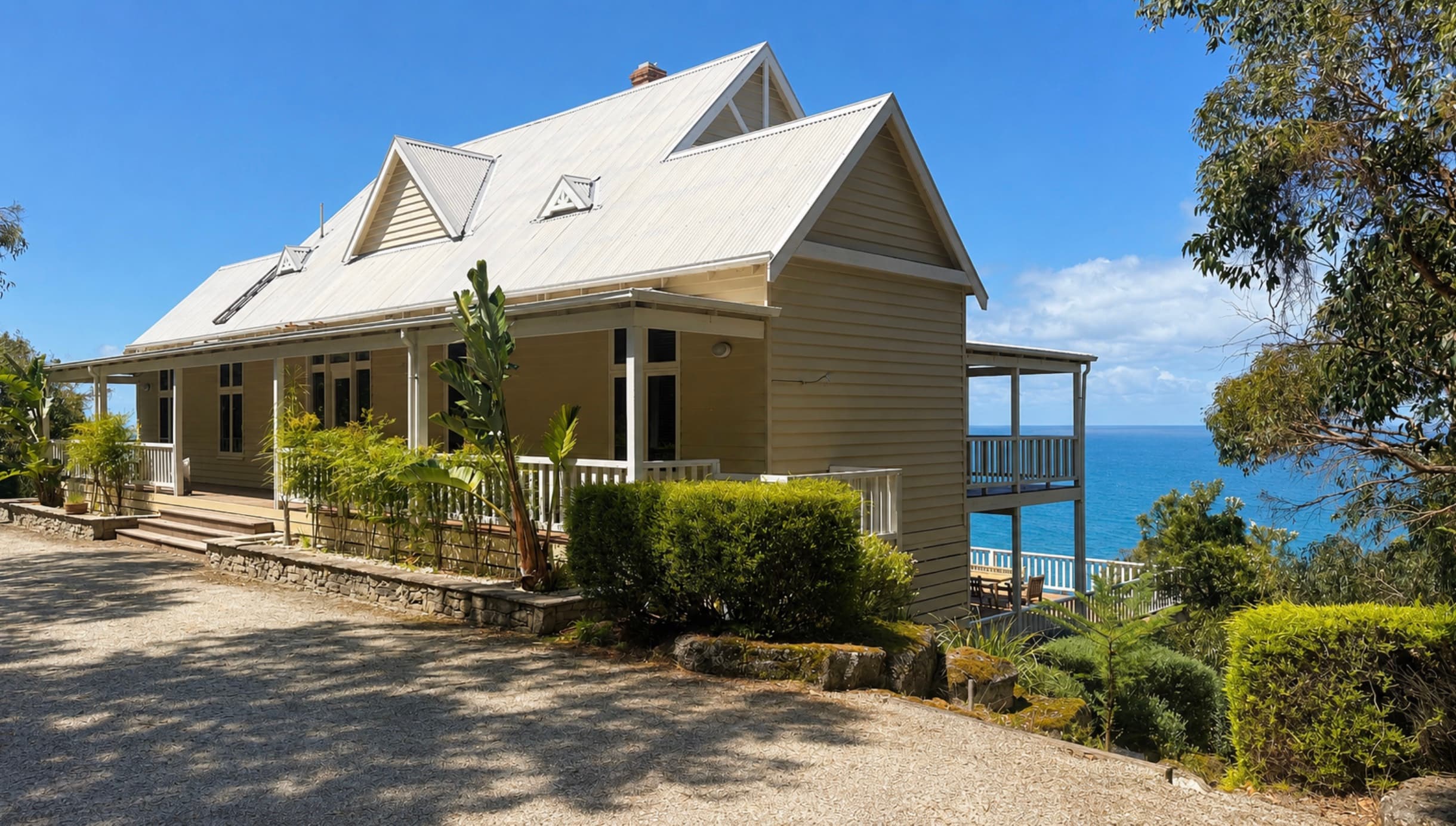
A weatherboard coastal home exposed to sun and salt air above the ocean

Why coastal homes need more care

On the coast, a finish works harder than it does anywhere else. Salt, wind-driven moisture and unfiltered UV break coatings down years faster than the same system would inland — which is exactly why a planned maintenance rhythm matters more here, both for the building and for the budget.

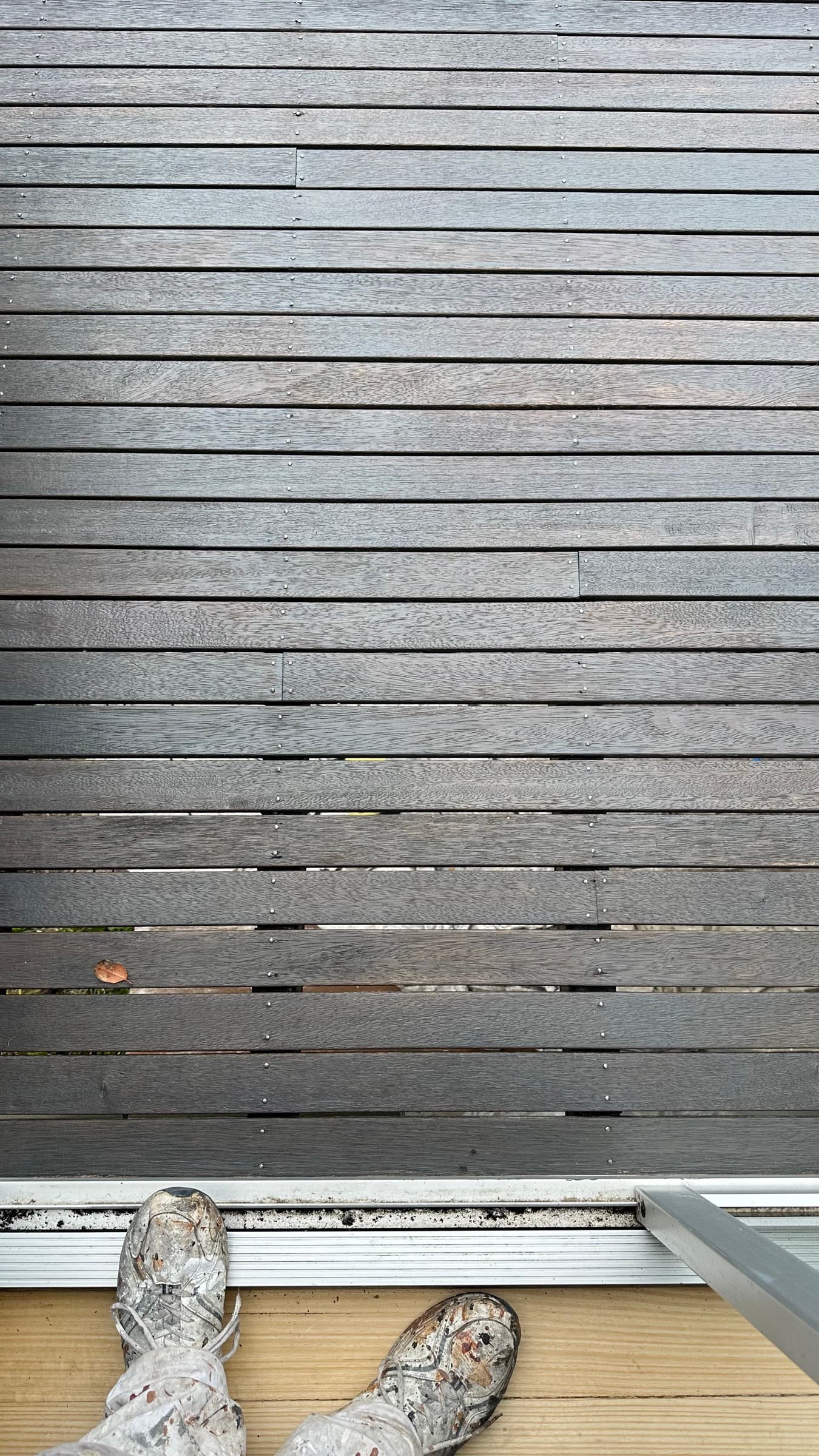
A greyed, salt-weathered timber surface on a coastal home

What the coast does to a finish

Three forces act on a coastal finish at once. Unfiltered UV breaks down the binders that hold a coating together, fading and chalking the surface. Salt carried in on the wind settles into the film and draws moisture beneath it, lifting paint away from the substrate and undermining adhesion. And that trapped moisture is what eventually reaches the timber itself — the point at which cosmetic wear turns into peeling, bubbling and, left long enough, rot.
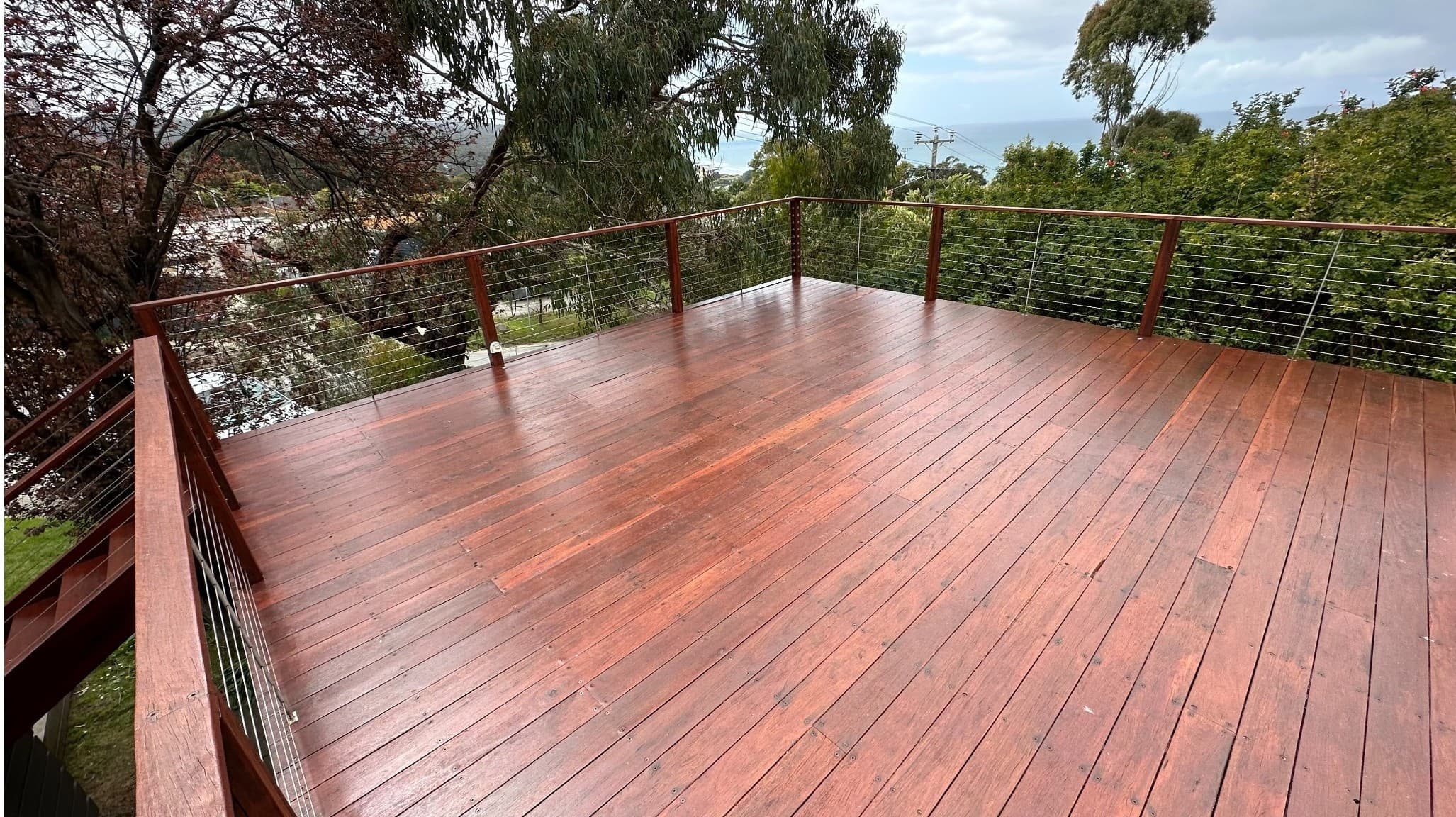
The same surface freshly recoated and protected

A shorter cycle, by design

Inland, a well-prepared exterior might hold for seven to ten years. On an exposed coastal elevation, the honest figure is closer to three to five. The answer isn't heavier paint — it's rhythm: rinsing salt off exposed surfaces with fresh water through the year, an annual inspection to catch wear early, and refreshing protective topcoats on the hardest-hit elevations before they fail rather than after. West- and sea-facing walls are looked after on a tighter cycle than sheltered ones.

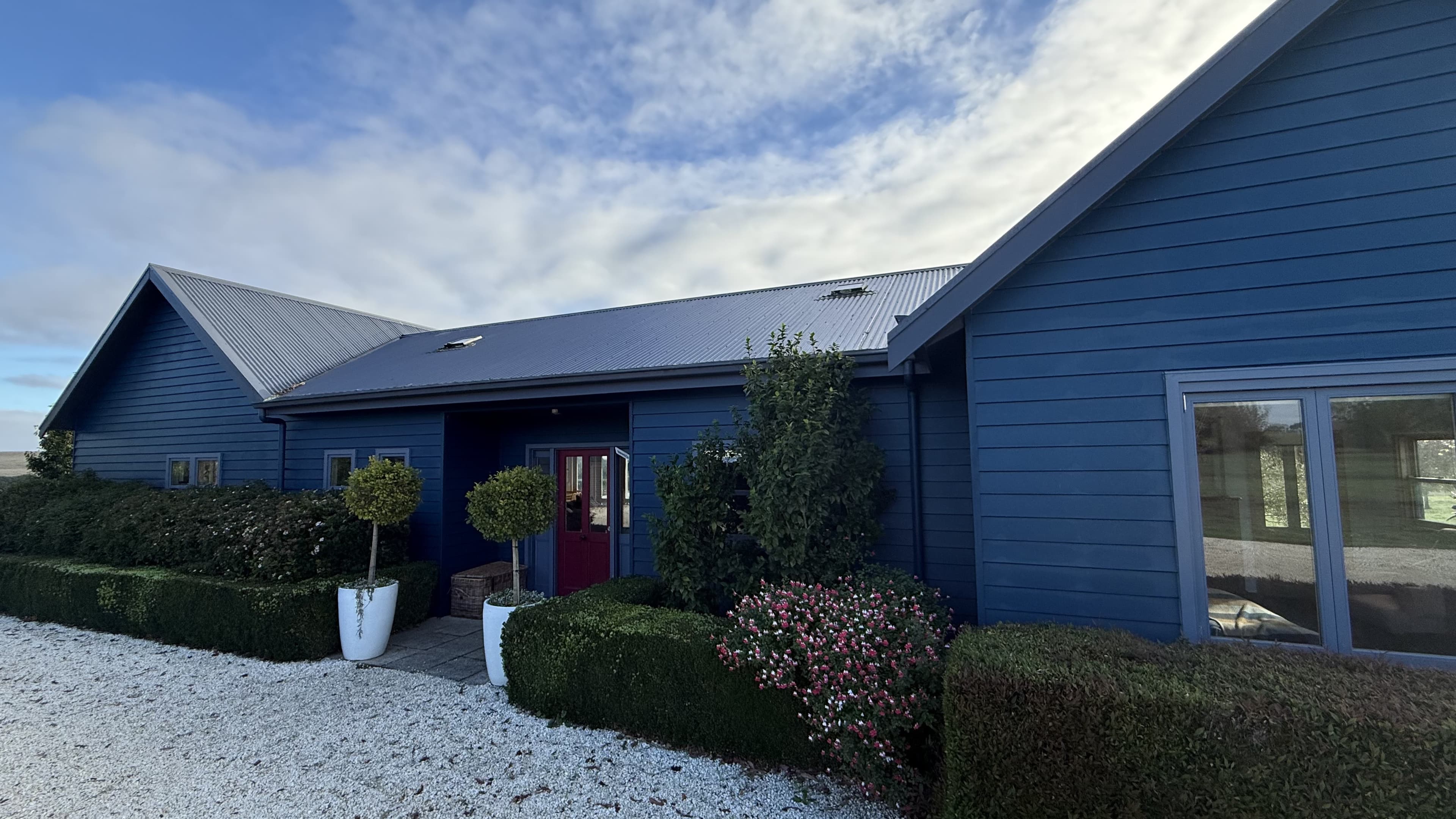
A maintained, freshly painted coastal home exterior

Cheaper over time, not just better looking

Regular upkeep reads like an expense until you weigh it against the alternative. Preventive maintenance typically costs a fraction of reactive repair — industry estimates put reactive work at three to five times the price — because a recoat is inexpensive next to stripping failed coatings, repairing water-damaged timber and starting again. Deferred maintenance also compounds: every dollar put off tends to cost several down the track as small failures cascade into larger ones. On the coast, a planned schedule isn't simply tidier — over the life of the building, it is almost always the cheaper path.